
 See Our Latest Article on HelloNation
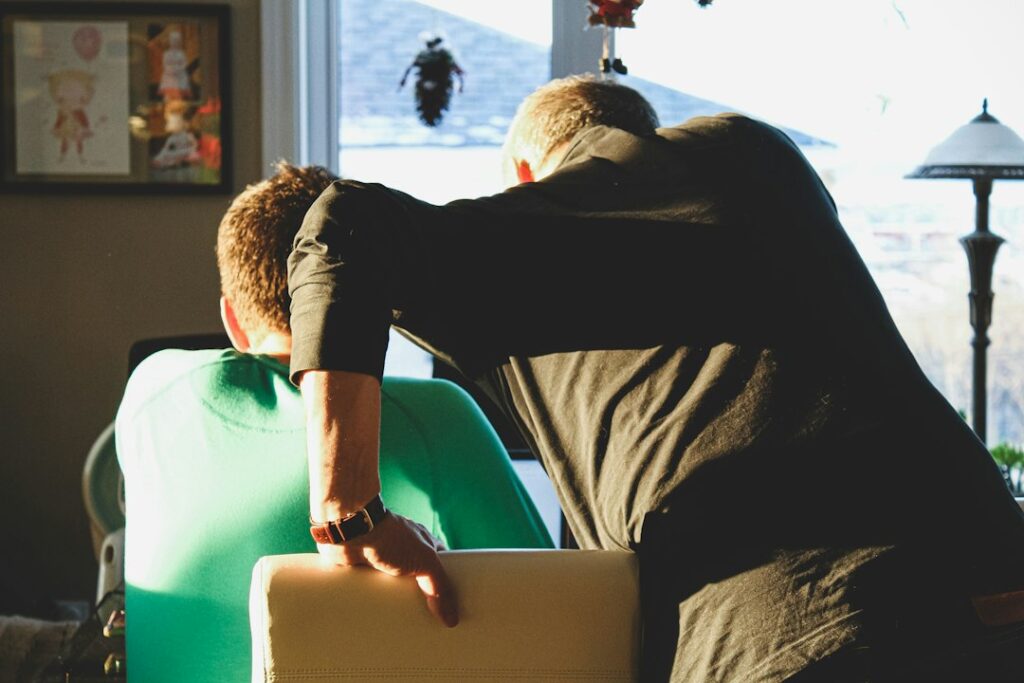
Can poor posture really cause headaches?
Poor posture can contribute to some headaches, especially when it places prolonged strain on the neck, shoulders, and upper back. However, posture is rarely the only possible cause, and not every headache linked with neck discomfort is a “posture headache.”
Holding the head forward, rounding the shoulders, or looking downward for long periods can make the muscles around the neck and upper back work harder than they should. Over time, that may contribute to muscle fatigue, stiffness, and pain that spreads toward the base of the skull, temples, forehead, or behind the eyes.
This pattern is often associated with tension-type headaches or headaches related to the neck, sometimes called cervicogenic headaches. Migraine, dehydration, poor sleep, eye strain, illness, medication overuse, stress, and other conditions can cause similar symptoms, so posture should not be assumed to be the explanation without considering the broader picture.
How can posture trigger head pain?
The head weighs roughly as much as a bowling ball. When it stays balanced over the spine, the neck muscles can support it efficiently. As the head moves forward, the muscles and joints of the neck must work harder to keep it upright.
Common examples include:
- Looking down at a phone while sitting or standing
- Working at a laptop with the screen too low
- Reading in bed with the head bent forward
- Driving with the head pushed toward the windshield
- Sitting for long periods without changing position
- Sleeping with the neck twisted or unsupported
These positions do not automatically cause injury. The concern is usually the combination of awkward positioning, long duration, repeated exposure, and limited movement.
Muscles at the base of the skull may become tender or tight. The upper joints of the neck can also become irritated, while the shoulders and upper back may compensate for the altered position. Because nerves and pain-sensitive structures in the upper neck communicate with areas of the head, discomfort in the neck can sometimes be felt as head pain.
What does a posture-related headache feel like?
A headache associated with neck strain often feels like pressure, tightness, aching, or a band around the head rather than intense pulsing. It may begin in the neck or at the back of the skull and move toward the forehead or temples.
Some people notice that the headache:
- Appears after computer work, phone use, reading, or driving
- Gets worse after holding one position
- Occurs with neck stiffness or reduced neck movement
- Improves after changing position, walking, using gentle movement, or resting
- Is more noticeable on one side, particularly when neck movement is limited
These features may suggest a connection with the neck, but they do not provide a definite diagnosis. Migraine can also include neck pain, and tension-type headaches may occur without a clear posture problem.
A useful approach is to track the timing of symptoms for several days. Note sleep, hydration, meals, screen time, physical activity, stress, menstrual patterns when relevant, medication use, and the positions that seem to bring on symptoms.
Is “forward head posture” always harmful?
No. A particular posture does not automatically mean that the spine is damaged or that a person will develop headaches. People naturally move through many positions, and there is no single perfect posture that must be maintained all day.
Research has found associations between some neck-posture measurements and neck-related headaches, but association does not prove that posture alone caused the headache. Pain can also change how a person holds the head and neck, meaning the headache or neck problem may influence posture rather than the other way around.
The more practical concern is often posture endurance. Even a relatively neutral position can become uncomfortable if it is held without movement for hours. Alternating positions and taking brief movement breaks may be more useful than trying to sit rigidly upright.
What can residents try at home?
Most posture-related strain improves through consistent, comfortable changes rather than forceful correction. The goal is to reduce prolonged stress and restore normal movement.
Try the following:
- Raise a computer screen so the top portion is near eye level.
- Keep frequently used items close enough that the head does not constantly bend forward.
- Support the lower back while sitting, but avoid forcing the shoulders backward.
- Let the elbows rest near the body when using a keyboard or handheld device.
- Change position every 20 to 30 minutes when possible.
- Walk briefly, roll the shoulders gently, or move the neck through a comfortable range.
- Use both hands for heavier objects and avoid cradling a phone between the shoulder and ear.
- Adjust reading and phone habits during long winter indoor periods, when people may spend more time seated at home.
- Check whether a pillow keeps the neck reasonably aligned rather than sharply bent upward or downward.

Gentle exercise that improves neck, shoulder, and upper-back endurance may help some people. Examples can include controlled chin tucks, shoulder-blade movements, upper-back mobility exercises, and general aerobic activity. Exercises should be comfortable and gradual. Sharp pain, radiating symptoms, dizziness, or worsening headaches are reasons to stop and seek medical guidance.
Can chiropractic care or other hands-on treatment help?
Some people with headaches associated with neck pain may benefit from a structured plan that includes education, exercise, posture changes, and, when appropriate, hands-on treatment. Evidence suggests that neck and upper-back exercises can help certain tension-type and cervicogenic headaches. Manual therapy may provide short-term relief for some people, but it is not appropriate as the sole answer for every headache and does not replace evaluation for migraine or other causes.
A careful assessment should consider the headache pattern, neck movement, recent injuries, medications, sleep, vision, blood pressure concerns, and neurological symptoms. Treatment should be matched to the likely cause rather than based only on the appearance of posture.
When is a headache a medical warning sign?
A headache needs urgent medical attention if it is sudden and severe, follows a head injury, or occurs with symptoms such as:
- Weakness, numbness, confusion, fainting, or trouble speaking
- Loss of balance, difficulty walking, or new vision changes
- Fever, stiff neck, or a rash
- Seizures or repeated vomiting
- A rapidly worsening pattern or a headache unlike previous ones
Routine medical evaluation is also appropriate when headaches are becoming more frequent, interfere with sleep or daily activities, or do not improve with reasonable self-care.
For local residents dealing with long hours at a desk, remote work, commuting, reading, or seasonal indoor activities, posture may be one manageable part of the picture. The most accurate question is usually not “Is my posture bad?” but “What combination of position, movement, sleep, stress, and other factors is contributing to this headache?”
