
 See Our Latest Article on HelloNation
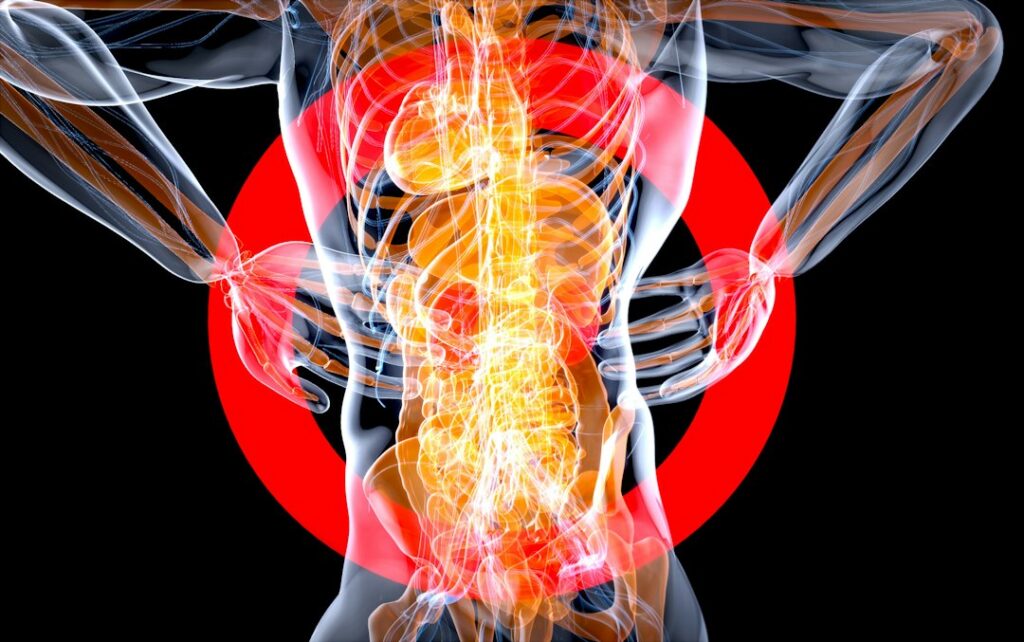
A herniated disc can cause anything from localized back or neck pain to sharp, traveling pain, numbness, or weakness in an arm or leg. For residents of Corning, NY, understanding how disc problems develop—and where chiropractic care fits within safe, evidence-informed treatment—can make it easier to choose appropriate next steps.
What is a herniated disc?
A herniated disc occurs when the soft, gel-like center of a spinal disc pushes through a weakened or damaged area of its tougher outer layer. The bulging material may irritate or compress nearby nerves.
Spinal discs sit between the vertebrae and help absorb movement. They can become less flexible over time, but a disc problem may also follow lifting, twisting, a fall, repetitive strain, or an unexpected injury.
A herniated disc is sometimes called a slipped disc, although the disc does not actually slide out of place. Some people have a herniation visible on an MRI without experiencing any symptoms. The condition matters most when the disc changes are consistent with a person’s pain, sensation, strength, and physical examination.
What symptoms can a herniated disc cause?
Symptoms depend on the location of the disc and whether a nerve is affected. A lower-back herniation may cause:
- Low-back pain
- Pain traveling through the buttock and down the leg
- Tingling or numbness in the leg, foot, or toes
- Weakness that makes walking, lifting the foot, or standing on the toes more difficult
A neck herniation may produce pain that travels into the shoulder, arm, hand, or fingers. Symptoms often affect one side, although both sides can be involved.
Pain may become more noticeable with coughing, sneezing, sitting, bending, or certain lifting movements. However, severe pain does not always mean severe nerve damage, and a relatively modest level of back pain can occasionally occur with meaningful weakness. Changes in strength and coordination deserve careful attention.
How is a herniated disc diagnosed?
Diagnosis usually begins with a detailed history and physical examination. A healthcare professional may check walking, reflexes, muscle strength, sensation, and the movements that increase or decrease symptoms.
Imaging is not automatically needed for every episode of back pain. In people without warning signs, early imaging may show age-related disc changes that are not responsible for the symptoms. An MRI is generally considered when symptoms persist, worsen, or suggest significant nerve involvement—particularly if a person may need an injection or surgery.
An MRI can show the location of a disc herniation and whether a nerve appears compressed. It should still be interpreted alongside the examination rather than treated as the diagnosis by itself.
Can chiropractic care help a herniated disc?
Chiropractic care may help some people manage pain and improve movement, but it does not physically “push” a herniated disc back into place. Symptoms may improve as inflammation settles, irritated tissues recover, and normal activity gradually returns.
Care may include a combination of:
- Gentle spinal mobilization or manipulation when appropriate
- Movement-based exercises
- Advice about pacing, posture, lifting, and daily activities
- Soft-tissue techniques
- Exercises to improve trunk, hip, or shoulder strength
- Guidance on returning to work, recreation, and household tasks
Research on spinal manipulation supports modest improvements for some forms of low-back pain. Evidence specifically involving sciatica or pain caused by a herniated disc is more limited and mixed. This means chiropractic treatment is best viewed as one possible part of a broader plan, not a guaranteed cure or a replacement for medical evaluation when neurological symptoms are present.
A careful assessment should come before forceful treatment. The approach may need to be modified or avoided in people with progressive weakness, serious spinal conditions, recent major trauma, infection, cancer, severe osteoporosis, or other factors that increase risk.
Is spinal manipulation safe with a herniated disc?
For many adults, appropriately selected low-back manipulation or mobilization causes only temporary soreness, stiffness, or a short-lived increase in discomfort. Serious complications are uncommon, but no treatment is completely risk-free.
Safety depends on the location of the problem, the presence of nerve symptoms, other medical conditions, medications, and the technique used. Neck manipulation deserves separate consideration because sudden neck movements carry different potential risks than treatment directed at the lower back.
People should clearly describe symptoms such as numbness, weakness, changes in balance, previous surgery, osteoporosis, blood-clotting problems, recent injuries, pregnancy, or the use of blood-thinning medication. A treatment plan should be adjusted if symptoms worsen rather than assuming that increased pain is a normal sign of healing.
What can someone do at home?
Most people with uncomplicated disc-related pain benefit from remaining gently active rather than staying in bed for long periods. Short walks, frequent position changes, and light daily movement may be more helpful than complete rest.
Helpful strategies may include:

- Avoiding heavy lifting and repeated bending during the most painful phase
- Keeping loads close to the body when lifting is necessary
- Using handrails and moving carefully on icy steps or walkways
- Changing sitting positions regularly during driving or desk work
- Using heat or cold based on which provides more comfort
- Following a gradual exercise plan rather than testing the back with sudden strenuous activity
Winter conditions can add practical challenges in the community. Slippery sidewalks, shoveling, carrying firewood, and lifting bulky seasonal items can place extra stress on the spine. Dividing heavy tasks into smaller loads and avoiding twisting while carrying may reduce strain.
Over-the-counter pain medicines are not appropriate for everyone. People with kidney disease, ulcers, heart conditions, medication interactions, pregnancy, or other health concerns should review their use with a qualified healthcare professional.
When is a herniated disc an emergency?
Immediate medical evaluation is needed for new or worsening symptoms such as:
- Loss of bladder or bowel control
- Inability to urinate
- Numbness in the groin or inner thighs
- Rapidly progressing weakness in one or both legs
- Severe weakness that affects walking
- Back pain accompanied by fever, unexplained weight loss, or a history of cancer
- Significant symptoms after a major fall or other trauma
These signs may indicate serious nerve compression or another condition requiring urgent treatment. Chiropractic manipulation should not delay emergency evaluation.
How long does recovery take?
Many disc-related episodes improve over several weeks with appropriate activity, symptom management, and gradual rehabilitation. Improvement may occur even when an MRI continues to show a disc bulge or herniation. The goal is not always to make an imaging finding disappear; it is to restore comfortable movement, strength, sleep, work ability, and daily function.
Persistent or worsening leg pain, numbness, or weakness deserves reassessment. A coordinated plan may involve chiropractic care, physical therapy, primary medical care, medication management, diagnostic imaging, or a spine specialist depending on the findings. The safest choice depends on the individual’s symptoms and neurological status rather than on the scan alone.
