
 See Our Latest Article on HelloNation
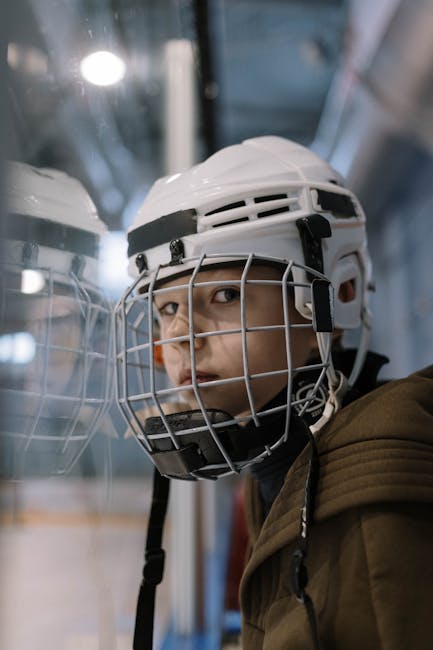
Whether you’re cheering on Corning-Painted Post athletes under the Friday night lights or participating in adult leagues at Denison Park, sports are a core part of life in Corning, NY. While athletic engagement boosts both physical and social health, it’s important to recognize and manage the dangers associated with sports, especially concussions. With youth, high school, and recreational sports thriving in Steuben County, understanding practical strategies for preventing sports concussions is crucial for athletes, coaches, parents, and healthcare providers.
Understanding Sports Concussions
A concussion is a type of traumatic brain injury caused by a blow or jolt to the head or body that disrupts normal brain function. Symptoms can include headaches, dizziness, confusion, and memory problems, sometimes appearing hours after the injury. Early recognition and proper management are vital to preventing long-term complications.
Why Concussion Prevention Matters in Corning, NY
With the GlassFest 5K, local soccer clubs, and popular school athletic programs, Corning’s residents—kids and adults alike—are often on the field, court, or trail. Our region’s enthusiasm for sports makes it especially important to be proactive about head injury risks. Preventing concussions means keeping our community’s athletes safer, healthier, and in the game for seasons to come.
Effective Strategies to Prevent Sports Concussions
1. Prioritize and Enforce Proper Technique
Proper technique is the foundation of safe play. Whether it’s tackling in football, checking in hockey, or heading in soccer, coaching athletes on age-appropriate, evidence-based techniques helps minimize risky movements that could lead to head injuries.
- Coaches in Corning’s youth leagues should frequently review safe-playing protocols.
- Parents can ensure their kids understand the importance of playing within the rules.
2. Invest in Quality Protective Gear
The right gear can’t fully prevent concussions, but it drastically reduces the risk and severity. This is particularly relevant in contact sports such as football, lacrosse, and hockey.
- Helmets should meet current safety certifications and be checked regularly for fit and damage.
- Mouthguards and, in certain sports, padded headbands can provide additional protection.
Many Corning families find it worthwhile to consult with local sporting goods outlets or their school’s athletic trainers to guarantee optimal equipment.
3. Educate Athletes, Parents, and Coaches
Education is an ongoing process and involves everyone involved in sports, from the youngest athletes to the most experienced coaches.
- Corning-area schools and clubs should offer concussion-awareness training before each season.
- Everyone should know concussion symptoms and the importance of reporting them promptly instead of “toughing it out.”
4. Develop and Enforce “Return to Play” Protocols
Allowing an athlete with a suspected concussion to return to play too soon is one of the greatest risks for serious injury. Schools and sports organizations in the Southern Tier should have clear, strict “return to play” guidelines aligned with state law and best practices from organizations like the CDC and NYSPHSAA.
- Athletes suspected of having a concussion must be evaluated immediately and cleared by a qualified healthcare provider before returning to the field.
5. Build a Culture of Safety
Changing the culture around injury reporting and recovery is vital, especially in close-knit communities like Corning. Open communication, encouragement, and support help athletes feel safe reporting symptoms.
- Celebrate safety leaders—athletes or teams who prioritize their well-being and advocate for health-conscious choices.
- Make sure players understand that sitting out when injured is a sign of strength and intelligence, not weakness.
6. Promote Neck Strengthening and Whole-Body Fitness
Studies suggest that strong neck muscles can reduce concussion risk by helping absorb impact forces. Incorporate neck-strengthening exercises into team workouts, and prioritize overall fitness to decrease vulnerability to falls and collisions.
- Local gyms and physical therapists can equip athletes with neck and core strengthening routines appropriate for their age and sport.
Community Resources and Local Support in Corning
From the Corning Family YMCA to local chiropractic offices, resources are readily available for both injury prevention and recovery. Many healthcare professionals in the community offer baseline concussion screenings and can advise families and teams on best practices for prevention. Look for workshops, clinics, and information sessions—often hosted by area schools or health providers—throughout the sports season.
The Role of Parents and Guardians
Parents and guardians have a unique perspective on their young athletes’ health and well-being. Here’s how you can participate in concussion prevention:
- Attend concussion-education sessions and ask questions of coaches and healthcare professionals.
- Monitor your child for symptoms, especially after games and practices.
- Advocate for safe environments and high standards for coaching and equipment in Corning’s programs.
When to Seek Professional Help
If you suspect a concussion—whether you are an athlete, parent, coach, or friend—always err on the side of caution and seek medical advice. Chiropractors with sports injury expertise, like those practicing in Corning, can often provide initial evaluations, coordinate care with primary care providers and neurologists, and guide safe return-to-play decisions.
Conclusion
Concussion prevention is a shared responsibility, woven into the fabric of healthy, thriving sports participation in Corning, NY. By emphasizing proper technique, fitting and maintaining protective gear, pursuing education, enforcing strong return-to-play policies, fostering a positive safety culture, and supporting physical fitness, the risk of injury can be substantially reduced. As we root for our Red Barons or pick up a paddle at the YMCA, let’s keep safety at the forefront—our community’s athletes deserve nothing less.
