
 See Our Latest Article on HelloNation
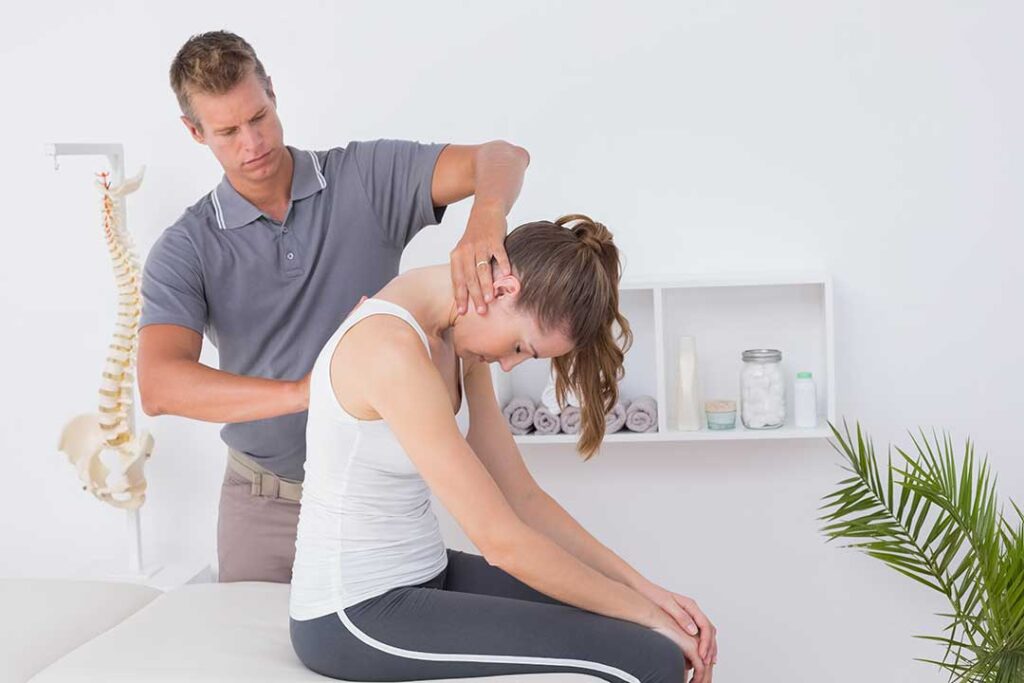
What Makes Neck Pain So Common in Corning, NY?
Neck pain is a frequent concern among residents, with people of all ages experiencing stiffness, soreness, or discomfort in daily life. This is often connected to modern routines, local weather, and lifestyle factors present in Corning, NY. While most neck pain is not caused by serious conditions, it can affect day-to-day activities—from working at a desk to enjoying seasonal outdoor activities in the region.
What Are the Typical Causes of Neck Pain Locally?
Most cases of mild to moderate neck pain in this area originate from a few key sources:
- Prolonged Poor Posture: Many local jobs and hobbies in Corning involve extended periods at desks, reading, or using digital devices. Sitting with slouched shoulders or craning the head forward strains neck muscles and supporting structures.
- Sleeping Position: Cold winters often lead residents to use thick pillows or blankets. Sleeping with the neck at an awkward angle—whether from pillow height or curling up for warmth—can result in stiffness by morning.
- Repetitive Motions or Lifting: Outdoor work, home improvement, and seasonal yard chores such as shoveling snow or gardening can lead to muscle overuse or sudden strain, especially if form is not correct.
- Accidents and Minor Injuries: Falls on icy sidewalks, rear-end car accidents on local roads, or bumping the head during recreational activities can all lead to sudden neck pain, sometimes from whiplash.
- Age-Related Changes: As area residents age, natural changes in the spine, including disc wear or arthritis, may contribute to chronic or recurring neck discomfort.
How Can Desk Work and Device Use Affect Neck Health?
Long hours at computers, tablets, or phones are a leading cause of ongoing neck tension for those working or studying in Corning. The term "tech neck" describes how looking down at screens places additional stress on the cervical spine. Each inch the head moves forward increases the load, leading to aching and tightness by the end of the day.
Misconception: It’s not just about the screen—it’s about the cumulative effect of posture throughout the day, including while commuting, cooking, or relaxing at home.
Can Seasonal and Household Factors Contribute?
The regional climate and housing patterns have subtle effects:
- Winter Weather: Cold, damp air can leave neck muscles feeling tighter, making them more prone to spasm or injury, especially after shoveling or slipping on sidewalks.
- Indoor Heating and Air Conditioning: Forced-air heating used during cold months may dry the air, occasionally leading to mild dehydration, which can make muscles feel stiffer.
- Heavy Outerwear: Bulky winter coats with high collars or hoods can add pressure at the base of the skull, altering natural posture if worn frequently.
What Simple Habits Help Prevent Neck Pain?
There are practical ways local residents can lower their risk of developing neck issues:
- Ergonomic Workstations: Adjust screens to eye level and use supportive chairs. Feet should rest flat on the floor, with shoulders relaxed.
- Frequent Movement Breaks: Change positions and stretch every 30 to 60 minutes, especially during long tasks or remote work.
- Supportive Sleep Setups: Use a pillow that keeps your head aligned with your spine, not propped too high or low. Try different pillow types (contour, memory foam, or thin) based on sleep style.
- Mindful Lifting: When moving heavy items—such as boxes during spring cleaning—keep loads close to your body and use your legs instead of your back or neck to power the movement.
- Stay Warm and Hydrated: Layer clothing during colder months and drink water regularly to keep muscles supple.
- Limit Heavy Bags: Choose backpacks with two straps and avoid overloading shoulder bags or purses, as uneven weight can strain the neck.
When Is Neck Pain a Sign of Something More Serious?
While most cases resolve with rest and basic care, residents should pay attention to these warning signs:
- Pain following a fall, accident, or blow to the head
- Numbness, tingling, or weakness in the arms or hands
- Difficulty with balance or walking
- Severe, unrelenting pain not improved by adjustments
- Sudden onset of other neurological symptoms (such as vision changes or trouble speaking)

If any of these occur, it is wise to seek medical advice immediately to rule out serious injury or underlying issues.
Are There Overlooked Daily Habits That Lead to Neck Discomfort?
Beyond posture and accidents, a few daily patterns often go unchecked:
- Holding the Phone Between Ear and Shoulder: Multitasking while on the phone, especially during long conversations, can compress neck muscles.
- Reading or Crafting in Bed: Propped-up reading or hobbies such as knitting sometimes involve awkward neck angles.
- Skipping Warm-ups: Jumping directly into outside yard work or local sports without gentle stretching can increase the chance of muscle strain.
- Chronic Stress: Periods of stress, common during busy local seasons like back-to-school or holidays, can cause people to unconsciously tense their neck and shoulder muscles.
What Are Safe Options for At-Home Symptom Relief?
If discomfort appears after a minor activity, local residents can try:
- Gentle Range-of-Motion Exercises: Slowly tilt, turn, and nod the head without pushing into pain.
- Alternating Heat and Cold: Apply a warm compress to ease muscle tightness or a cold pack to reduce swelling after a recent strain.
- Short Rest Periods: Take brief breaks, but avoid lengthy bed rest, as movement helps maintain flexibility and healing.
For persistent or recurring symptoms, professional evaluation is recommended only if self-care does not bring improvement or if any symptoms listed above appear.
