
 See Our Latest Article on HelloNation
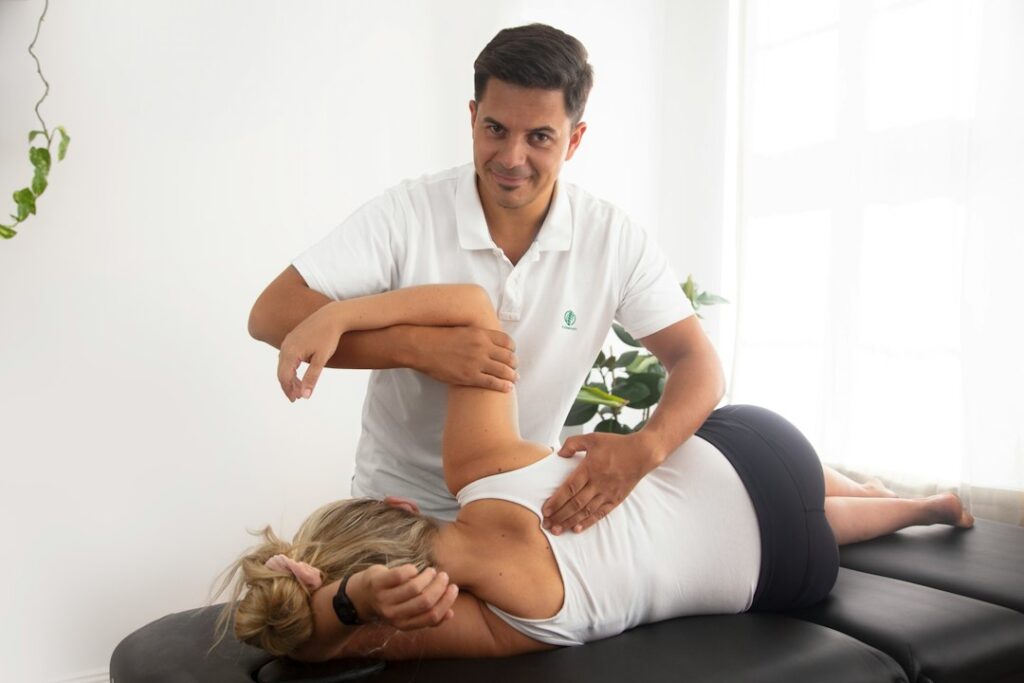
Can chiropractic care improve the immune system?
Chiropractic care has not been proven to directly strengthen the immune system, prevent infections, or replace vaccination and medical treatment. Current evidence does not show that spinal adjustments reliably improve immune defenses or help the body fight illnesses such as colds, influenza, or COVID-19.
Chiropractic care may still support health indirectly. Treatment for certain musculoskeletal problems can reduce pain, improve movement, and make it easier to sleep, exercise, and maintain daily routines. Those habits are closely connected with normal immune function.
This distinction matters. A person may feel healthier after receiving care because pain has improved or movement has become easier, but that does not necessarily mean the treatment has “boosted” immunity.
What does the immune system need to work well?
The immune system is a complex network involving cells, tissues, organs, and chemical signals. It depends on more than one intervention or supplement.
The strongest practical supports for immune health include:
- Adequate sleep, usually at least seven hours for most adults
- Regular physical activity appropriate for a person’s age and health
- A varied eating pattern that includes vegetables, fruits, whole grains, protein, and healthy fats
- Recommended vaccinations
- Avoiding tobacco and limiting excessive alcohol use
- Managing chronic health conditions
- Regular handwashing and sensible infection-prevention habits
During cold weather in Corning, indoor routines can become more sedentary. Snow, ice, shorter daylight hours, and time spent indoors may reduce walking and outdoor activity. Maintaining safe movement, consistent sleep, and regular meals can be more useful for immune health than seeking a single treatment intended to produce a rapid immune boost.
How might chiropractic care support immune health indirectly?
Chiropractic care primarily addresses problems involving the spine, joints, muscles, and movement. If back pain, neck pain, or joint stiffness limits activity, appropriate care may help a person resume normal movement.
That indirect effect can matter because pain often interferes with sleep and exercise. For example, someone with persistent low-back discomfort may stop walking, change sleeping positions repeatedly, or avoid household tasks. If symptoms improve through a suitable combination of care, exercise, and self-management, the person may sleep more comfortably and become more active.
Those changes support general health, but they should not be confused with direct changes to immune cells.
Potential indirect pathways include:
- Improved mobility: Less pain may make walking, stretching, or strength exercises more manageable.
- Better sleep: Reduced discomfort can make it easier to fall asleep or stay asleep.
- Lower day-to-day stress: Pain relief and improved function may reduce some of the stress associated with limited activity.
- Health education: A visit may reinforce posture, lifting technique, exercise, and other habits that support overall well-being.
These benefits depend on the underlying problem and the individual’s response. They are not guaranteed, and they do not demonstrate that an adjustment has directly increased resistance to infection.
Does spinal manipulation change immune cells?
Research has examined whether spinal manipulation affects immune markers such as lymphocytes, inflammatory chemicals, or stress-related hormones. Some small studies have reported short-term changes in laboratory measurements.
However, laboratory changes are not the same as better immune protection. A change in a blood marker does not show that a person is less likely to become sick, will recover faster, or will avoid complications. Reviews of the available research have found insufficient clinical evidence to support claims that spinal manipulation prevents infectious disease or improves immune function.
The most reliable evidence for chiropractic care concerns certain musculoskeletal conditions, particularly some types of back and neck pain. Evidence for non-musculoskeletal claims, including treating infections or strengthening immunity, is much weaker.
Can chiropractic care prevent colds, influenza, or other infections?
No. Chiropractic care should not be presented as a substitute for vaccination, testing, prescribed medication, or medical evaluation.
Vaccines work by training the immune system to recognize specific diseases. Spinal adjustments do not provide that disease-specific protection. Healthy routines support the body’s general function, but they cannot replace recommended vaccines or other public-health measures.
A person with fever, worsening cough, shortness of breath, dehydration, confusion, chest pain, or other concerning symptoms should seek appropriate medical care. Chiropractic treatment is not a substitute for evaluation of a potentially serious infection.
Is chiropractic care safe for everyone?
Many people experience temporary soreness, stiffness, or mild discomfort after spinal manipulation. Serious complications are uncommon but can occur, and risk may vary depending on the person’s medical history and the body region being treated.

Extra caution is appropriate for people with conditions such as:
- Severe osteoporosis or a recent fracture
- Known instability of the spine
- Certain inflammatory or infectious conditions
- Recent surgery
- Bleeding disorders or use of blood-thinning medication
- Progressive numbness, weakness, or loss of coordination
- Symptoms that could indicate a serious underlying disease
Neck manipulation deserves particular care because rare but serious vascular complications have been reported. Anyone with sudden severe headache, facial drooping, trouble speaking, unusual dizziness, fainting, or one-sided weakness needs urgent medical evaluation rather than routine musculoskeletal treatment.
A complete health history should be discussed before any hands-on treatment. The goal is to determine whether chiropractic care is appropriate, whether a different type of evaluation is needed, and which techniques may be reasonable.
What should residents ask about immune-health claims?
People in Corning seeking practical information can ask direct questions before accepting claims about immunity:
- Is the claim about pain and function, or is it claiming to prevent infection?
- Is the evidence based on improved health outcomes or only laboratory markers?
- Could sleep, exercise, nutrition, or reduced pain explain the perceived benefit?
- Is the treatment being suggested alongside vaccines and medical care, or instead of them?
- What symptoms would require referral for medical evaluation?
- What risks apply to a particular medical history?
Clear answers should distinguish established benefits from theories that remain uncertain.
What is a sensible approach?
The most balanced view is that chiropractic care may help some people with pain and movement problems, and those improvements can make healthy routines easier to maintain. There is not enough evidence to say that spinal adjustments directly strengthen the immune system or prevent infections.
For immune health, the practical foundation remains sleep, nutritious food, physical activity, vaccination, tobacco avoidance, reasonable alcohol use, and timely medical care. Chiropractic care, when appropriate for a musculoskeletal condition, can be considered one part of general health management rather than an immune treatment.
