
 See Our Latest Article on HelloNation
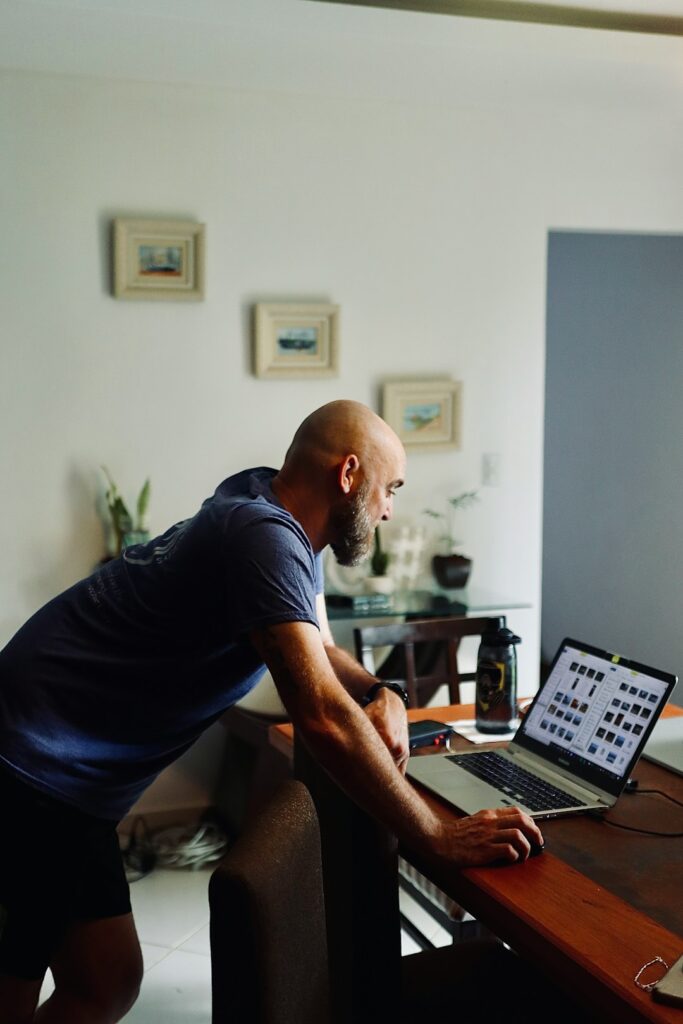
A healthy spine depends less on perfect posture or a single exercise and more on consistent daily habits. Regular movement, sensible lifting, supportive sleep, and attention to warning signs can help reduce unnecessary strain and keep the back functioning well.
What helps maintain a healthy spine?
The most useful habits are simple: stay physically active, change positions often, strengthen the muscles that support the trunk, and avoid repeatedly forcing the spine into awkward positions.
Spinal health is influenced by the muscles, joints, discs, bones, nerves, and connective tissues that work together during movement. A person does not need to avoid all bending or lifting. The goal is to build strength and movement tolerance while limiting sudden, repetitive, or poorly controlled strain.
For local residents, everyday demands may include shoveling after a snowstorm, carrying firewood, working in a home workshop, gardening, commuting, or spending long periods at a desk. These activities are usually safer when approached gradually and with good body mechanics.
How much movement is enough?
Regular movement is more helpful than occasional intense workouts. Walking, swimming, cycling, gentle mobility exercises, and strength training can all support spinal health when they are appropriate for a person’s age, fitness level, and medical history.
A practical weekly routine may include:
- Frequent walking or other moderate activity
- Strength exercises for the legs, hips, abdomen, and back
- Gentle flexibility work for the hips, hamstrings, shoulders, and upper back
- Balance exercises, especially for older adults
- Short movement breaks during long periods of sitting
People who have been inactive should increase activity gradually. Starting with a manageable amount and adding time or resistance slowly is generally more sustainable than beginning with demanding workouts. Exercise should not cause sharp, radiating, or progressively worsening pain.
Does posture cause back pain?
Poor posture can contribute to discomfort, but there is no single perfect posture that prevents all back problems. Holding any position for too long can create stiffness or fatigue, even if the position appears “correct.”
Instead of trying to sit rigidly upright, aim for a supported, changeable position:
- Keep both feet supported when possible.
- Place the screen near eye level rather than bending the neck downward for long periods.
- Let the shoulders remain relaxed instead of pulled forcefully backward.
- Use a small cushion or rolled towel behind the lower back if it improves comfort.
- Stand, walk, or shift position every 30 to 60 minutes.
At home, laptop use on a couch, prolonged phone viewing, and reading in bed can place the neck and upper back in sustained flexion. Raising the device and taking regular breaks may reduce strain.
What is the safest way to lift?
Lifting is safer when the load is kept close to the body and the movement is controlled. Before lifting, assess the object, clear the path, and decide whether the weight should be divided into smaller loads.
A useful lifting sequence is:
1. Stand close to the object with feet placed for balance.
2. Bend through the hips and knees rather than rounding only through the lower back.
3. Tighten the abdominal muscles gently.
4. Hold the object close to the body.
5. Rise using the legs.
6. Turn with the feet instead of twisting the torso while carrying.
Avoid jerking, reaching far away from the body, or lifting while turning. During seasonal chores such as shoveling, use smaller loads, switch sides periodically, and take breaks before fatigue affects coordination.
A common misconception is that the back must remain completely straight during every lift. A neutral, controlled spine is a better goal than forcing the back into a stiff position. The main risks are often excessive load, sudden force, fatigue, and repeated twisting.
Can sleep position affect the spine?
Sleep position can influence morning stiffness and nighttime comfort, although individual preferences differ. Side sleeping with a pillow between the knees may help keep the hips and spine more comfortable. Back sleepers may benefit from a pillow beneath the knees.
The neck should remain reasonably aligned with the rest of the spine. A pillow that is too high or too low may increase neck stiffness. Mattress firmness is also personal; a surface that supports the body without creating pressure points is usually more comfortable than one that causes the hips or shoulders to sink excessively.
Stomach sleeping may increase rotation or extension through the neck and lower back for some people. If changing positions is difficult, small adjustments—such as using a thinner pillow or placing a pillow under the pelvis—may be more realistic than trying to maintain one prescribed posture all night.
How can seasonal activities be easier on the back?
Winter weather can make spinal strain more likely because cold muscles may feel stiff, surfaces may be slippery, and snow or ice can add unpredictable resistance. Before shoveling or other strenuous outdoor work, walk briefly or perform gentle movements to warm up.

Helpful precautions include:
- Push snow when possible instead of lifting it.
- Use a shovel that fits the person’s height and strength.
- Take smaller scoops, especially when snow is wet.
- Keep the hands separated on the handle for better control.
- Avoid twisting to throw snow behind the body.
- Wear footwear with reliable traction.
The same principle applies to spring gardening, summer yard work, and autumn cleanup: alternate tasks, vary positions, and stop before muscles become exhausted.
When should back or neck pain be evaluated?
Most short-lived soreness improves with relative activity, position changes, and gradual return to normal movement. Extended bed rest is usually not helpful for routine back pain, although painful activities may need to be reduced temporarily.
Prompt medical evaluation is warranted for back or neck pain accompanied by:
- New weakness in an arm or leg
- Numbness that is spreading or severe
- Loss of bladder or bowel control
- Numbness around the inner thighs or groin
- Fever, unexplained weight loss, or feeling acutely ill
- Pain after a significant fall or collision
- Severe pain that is worsening rather than settling
A chiropractor may be one part of care for certain mechanical back or neck problems, but treatment should be based on an appropriate history and examination. People with neurological symptoms, serious illness, major trauma, or rapidly worsening pain may need medical assessment before hands-on treatment or exercise changes.
What daily routine supports long-term spine health?
A manageable routine is more useful than occasional intensive care. Walk regularly, strengthen the hips and trunk, vary sitting and standing, lift thoughtfully, sleep in a comfortable supported position, and respect pain that is sharp, radiating, or progressively worsening.
Healthy eating, adequate sleep, avoiding tobacco, and maintaining a weight that supports comfortable movement also contribute to overall musculoskeletal health. The purpose is not to protect the spine from every sensation or movement. It is to keep the body strong, adaptable, and able to handle ordinary activities safely.
