
 See Our Latest Article on HelloNation
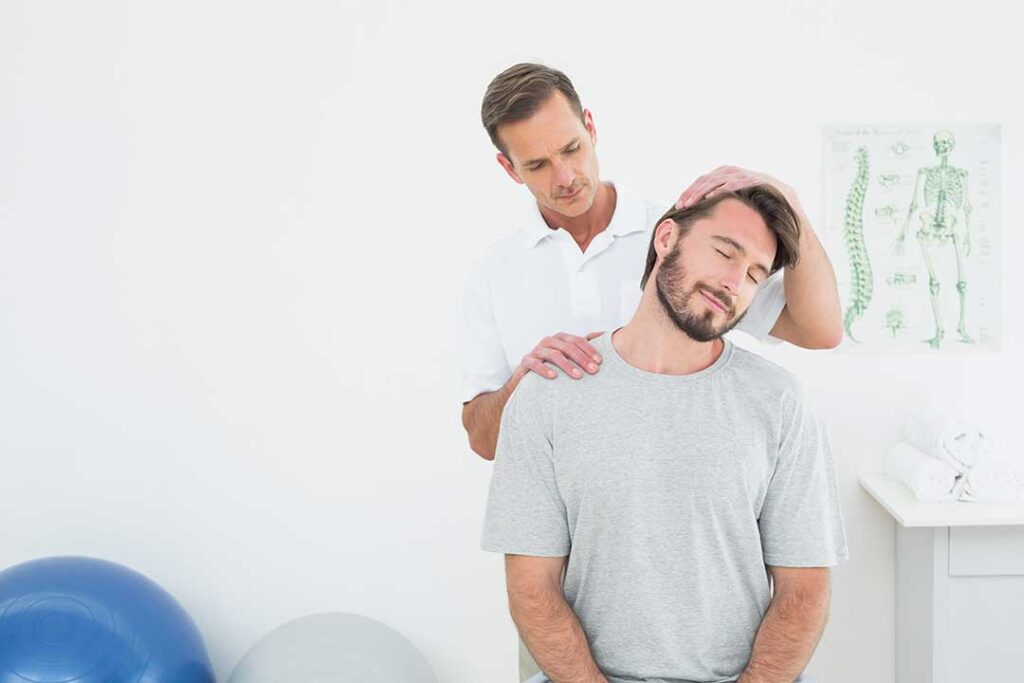
Growing older does not automatically mean losing strength, balance, or independence. Healthy aging is supported by regular movement, muscle strength, good balance, safe home habits, adequate sleep, and appropriate medical care. Chiropractic care may have a role in helping some adults manage musculoskeletal discomfort and maintain comfortable movement, but it is one part of a broader health plan.
For local residents, seasonal conditions can also affect mobility. Snow, ice, uneven sidewalks, heavier clothing, and spending more time indoors may make walking and household tasks more difficult during parts of the year. A practical approach focuses on staying active safely rather than avoiding movement.
How can chiropractic care support healthy aging?
Chiropractic care may support healthy aging by addressing certain problems involving the back, neck, joints, and muscles. Depending on a person’s condition, care may include spinal manipulation, mobilization, soft-tissue techniques, posture guidance, or exercises intended to improve movement.
The potential benefit is usually functional: reducing discomfort enough to make ordinary activities easier. That might include walking, getting out of a chair, turning the head while driving, gardening, climbing stairs, or carrying light household items.
Chiropractic treatment should not be viewed as a way to reverse aging, rebuild damaged cartilage, cure chronic disease, or prevent every fall. Its usefulness depends on the specific diagnosis, the person’s health history, and whether the treatment helps improve daily function.
Can chiropractic care improve flexibility and mobility?
It may help some people move more comfortably, particularly when stiffness or pain is related to joints, muscles, or the spine. Mobility can be affected by arthritis, previous injuries, prolonged sitting, muscle weakness, or fear of movement after a painful episode.
A safe mobility plan may combine hands-on care with:
- Gentle range-of-motion exercises
- Walking or other low-impact aerobic activity
- Strengthening of the legs, hips, abdomen, and back
- Balance exercises
- Education about lifting, bending, and pacing activities
Hands-on treatment alone is unlikely to maintain mobility if a person remains inactive between visits. The lasting goal is often to help someone resume appropriate daily movement and exercise.
Does chiropractic care prevent falls?
Chiropractic care by itself should not be considered a complete fall-prevention program. Falls may result from vision changes, medication side effects, low blood pressure, foot problems, muscle loss, balance disorders, unsafe footwear, or hazards such as loose rugs and poor lighting. ([nia.nih.gov](https://www.nia.nih.gov/health/falls-and-falls-prevention/falls-and-fractures-older-adults-causes-and-prevention?utm_source=openai))
Fall prevention works best when several risks are addressed together. For adults 65 and older, federal guidance emphasizes aerobic activity, muscle strengthening, and balance exercises each week. The CDC recommends, when a person’s abilities and health allow, at least 150 minutes of moderate-intensity aerobic activity, muscle-strengthening activities on two or more days, and balance activities. ([cdc.gov](https://www.cdc.gov/physical-activity-basics/adding-older-adults/what-counts.html?utm_source=openai))
Chiropractic care may be relevant when pain or stiffness makes it harder to walk or exercise. It does not replace a fall-risk assessment, vision examination, medication review, strength training, or home-safety changes.
What kinds of exercise are useful for aging adults?
The most useful activity is one that can be performed consistently and safely. Walking, water exercise, cycling, resistance-band work, chair exercises, tai chi, and carefully adapted strength training can all contribute to physical function.
Strength matters because age-related muscle loss can make it harder to rise from a chair, recover from a stumble, climb stairs, or carry groceries. Balance practice helps the body respond to changes in footing and position. Aerobic activity supports heart and lung health and can make everyday tasks less tiring. The National Institute on Aging identifies aerobic, muscle-strengthening, and balance activities as important components of healthy aging. ([nia.nih.gov](https://www.nia.nih.gov/health/exercise-and-physical-activity/health-benefits-exercise-and-physical-activity?utm_source=openai))
In colder months, indoor options can include:
- Walking through a well-lit indoor space
- Repeated sit-to-stand movements from a sturdy chair
- Resistance-band exercises
- Marching in place while holding a stable surface
- Gentle mobility exercises after long periods of sitting
Balance exercises should be performed near a counter, wall, or other stable support when needed. Anyone with a recent fall, severe dizziness, new weakness, or significant pain should receive appropriate medical guidance before beginning unfamiliar exercises.

Is spinal manipulation safe for older adults?
Safety depends on the individual and the technique used. Older adults may have osteoporosis, blood-thinning medication use, spinal stenosis, recent fractures, inflammatory conditions, cancer, neurological symptoms, or other factors that change what treatment is appropriate.
A careful health history matters before any manual treatment. Lower-force techniques or non-manual approaches may be more suitable for some people. Neck manipulation deserves particular caution when there are concerning symptoms or relevant medical risks. Research summarized by the National Center for Complementary and Integrative Health found a low risk of stroke after cervical manipulation among older adults with neck pain, but “low risk” does not mean zero risk or that every technique is appropriate for every patient. ([nccih.nih.gov](https://www.nccih.nih.gov/research/research-results/low-risk-of-stroke-after-chiropractic-spinal-manipulation-in-older-patients-with-neck-pain-study-finds?utm_source=openai))
Urgent medical evaluation is more appropriate than routine musculoskeletal care for symptoms such as sudden weakness, facial drooping, difficulty speaking, loss of coordination, severe unexplained headache, chest pain, fever with spinal pain, loss of bladder or bowel control, or numbness in the groin area.
How should chiropractic care fit with other health services?
Healthy aging is usually best supported through coordinated care. Primary care clinicians can evaluate chronic conditions, medications, osteoporosis, dizziness, and unexplained changes in strength or balance. Physical therapists can provide detailed exercise and gait training. Pharmacists can identify medications that may increase drowsiness or fall risk. Eye-care professionals can address vision problems that affect mobility.
This broader approach is especially useful after a fall. The CDC recommends reviewing medications, checking vision, improving home lighting and railings, addressing trip hazards, and performing strength and balance exercises. ([cdc.gov](https://www.cdc.gov/falls/prevention/index.html?utm_source=openai))
For households in Corning, winter preparation may include clearing walkways, improving entryway lighting, keeping frequently used items within easy reach, wearing stable footwear, and avoiding rushing across icy surfaces. These measures can matter as much as treatment for stiffness.
What questions should an older adult ask before treatment?
Useful questions include:
- What condition is being treated?
- What improvement should be expected in walking, sleep, strength, or daily activity?
- Are there medical conditions or medications that affect safety?
- Is an exercise or home-mobility plan part of care?
- What symptoms would require medical evaluation instead?
- How will progress be measured?
A reasonable plan should emphasize function and safety rather than indefinite treatment. Improvement might be measured by easier stair climbing, greater walking tolerance, less morning stiffness, or increased confidence with daily activities.
Healthy aging is not about eliminating every ache. It is about preserving the ability to move, participate, and respond safely to the demands of daily life. Chiropractic care may help some adults manage movement-related problems, but exercise, fall prevention, medical screening, nutrition, sleep, and social activity remain central to maintaining independence.
