
 See Our Latest Article on HelloNation
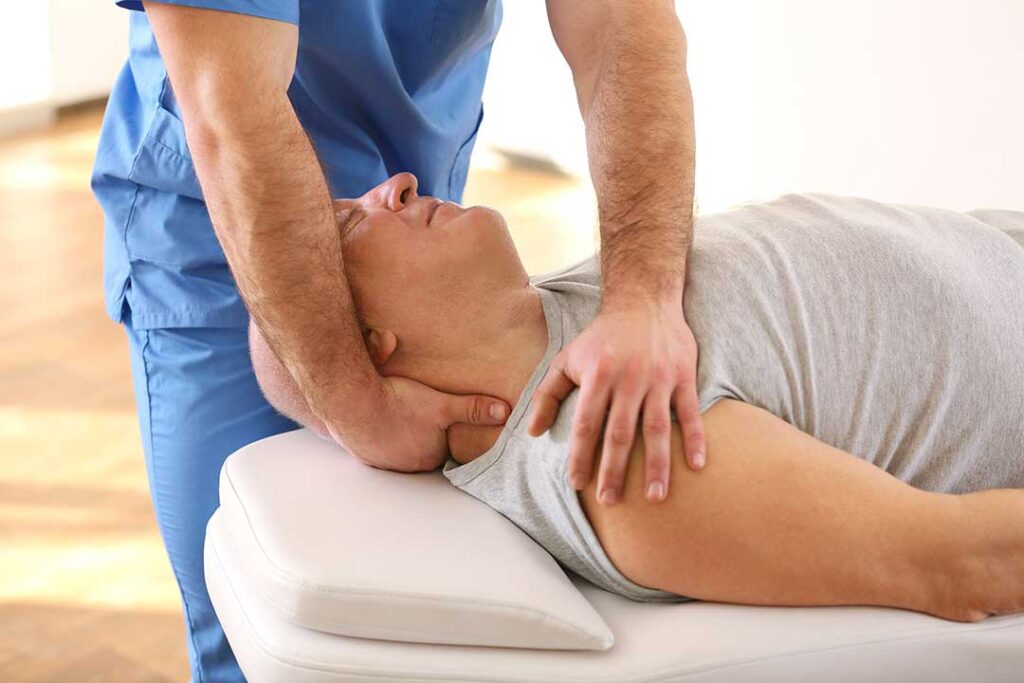
Sciatica can cause burning, electric, or aching pain that travels from the lower back or buttock into one leg. For many people in Corning, NY, symptoms improve with a careful combination of gentle movement, short-term comfort measures, and attention to warning signs rather than prolonged bed rest.
What does sciatica feel like?
Sciatica is a symptom caused by irritation or compression of the sciatic nerve or one of the nerve roots that form it. Pain commonly travels through the buttock and the back of the thigh, calf, or foot. Numbness, tingling, or leg weakness may occur on the same side.
A key distinction is that sciatica usually includes leg symptoms. Pain limited to the lower back may have another cause. Symptoms may become more noticeable with sitting, bending, coughing, sneezing, or prolonged standing. Common causes include a bulging or ruptured disk, narrowing around the spinal nerves, and age-related changes in the spine. ([medlineplus.gov](https://www.medlineplus.gov/ency/article/000686.htm?utm_source=openai))
Should you rest or keep moving?
Gentle movement is generally more helpful than staying in bed. Short walks around the home, light household activity, and frequent changes of position can reduce stiffness and help maintain normal function. Long periods of sitting or lying down may make symptoms harder to manage. ([nhs.uk](https://www.nhs.uk/conditions/sciatica/?utm_source=openai))
A practical approach is to reduce activities that sharply increase leg pain for a few days, then gradually resume normal movement. For example:
- Walk for five to ten minutes at a comfortable pace.
- Stand up regularly during desk work, driving, or television viewing.
- Break chores into smaller tasks instead of completing heavy cleaning or yard work all at once.
- Avoid repeated twisting, forceful bending, and heavy lifting while symptoms are intense.
During winter, shoveling snow, carrying wet footwear, or lifting storage containers can place extra strain on the back. These tasks are safer when divided into shorter intervals, performed with the load close to the body, and stopped if leg pain begins to spread or weakness develops.
Can heat or ice reduce discomfort?
Heat and ice may provide temporary relief, but neither treats the underlying cause. Some people prefer a cold pack during the first day or two of a flare-up, while others find that warmth reduces muscle tightness and makes movement easier. There is no universal choice; the safer option is the one that improves comfort without irritating the skin. ([medlineplus.gov](https://www.medlineplus.gov/ency/article/000686.htm?utm_source=openai))
Use either method for roughly 10 to 20 minutes at a time:
- Wrap an ice pack in a towel rather than placing it directly on the skin.
- Use a heating pad or hot-water bottle on a low or moderate setting.
- Check the skin during and after treatment.
- Avoid heat or ice over areas with reduced sensation, poor circulation, or skin injury.
Never fall asleep with an electric heating pad in place. People with diabetes, circulation problems, or reduced ability to feel temperature should ask a healthcare professional before using these measures.
Which gentle exercises are reasonable?
The safest exercise is usually one that keeps symptoms the same or gradually reduces them. A slow walk may be more appropriate than stretching during an acute flare. Some people tolerate gentle pelvic movements, supported knee-to-chest positions, or carefully guided nerve and hip mobility exercises, but the correct choice depends on the cause and pattern of symptoms.
Exercise should not produce increasing leg pain, new numbness, or weakness. Stop if symptoms move farther down the leg or remain significantly worse afterward. General exercise videos are not appropriate for every person, especially after an injury, surgery, pregnancy, or a recent health event. ([nhs.uk](https://www.nhs.uk/live-well/exercise/exercises-sciatica-problems/?utm_source=openai))
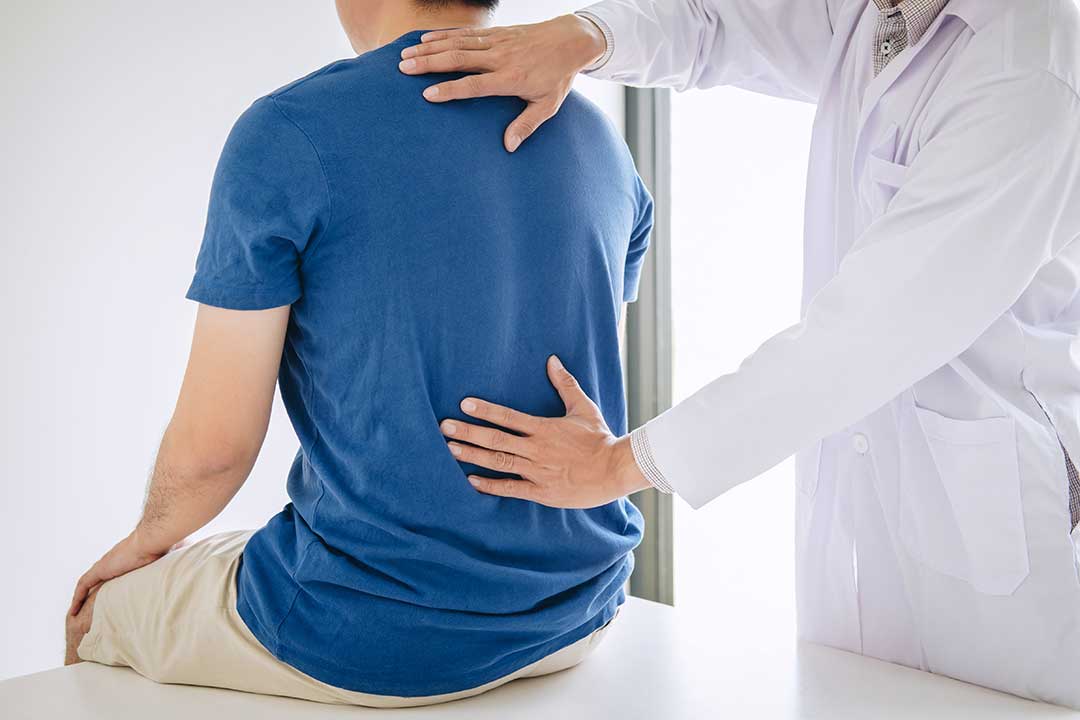
A chiropractor, physical therapist, physician, or other qualified clinician may assess movement, strength, reflexes, and sensation before suggesting a specific exercise plan. This assessment matters because an exercise that helps one pattern of back-related pain may aggravate another.
How can sitting and sleeping be adjusted?
Position changes often matter more than finding one perfect posture. When sitting, keep both feet supported, use a chair with lower-back support, and avoid remaining in the same position for long periods. A small cushion or rolled towel may help, but comfort and the ability to change position are more useful than rigid posture rules.
For sleep, lying on the side with a pillow between the knees may reduce twisting. Some people are more comfortable on their back with the knees supported by pillows. The goal is to find a position that allows sleep without increasing leg symptoms.
In homes with colder weather, people may spend more time sitting indoors during winter. Setting a reminder to stand, walk briefly, or change position every 30 to 45 minutes can help prevent stiffness from accumulating.
Do natural supplements or special diets cure sciatica?
There is no reliable evidence that a particular tea, supplement, cleanse, or anti-inflammatory diet can remove pressure from an irritated spinal nerve. A balanced eating pattern, adequate sleep, regular activity, and maintaining a healthy weight may support general musculoskeletal health, but these measures should not be presented as a direct cure.
Some supplements can interact with blood thinners, diabetes medicines, blood-pressure drugs, or other treatments. “Natural” does not automatically mean safe. Discuss supplements with a pharmacist or healthcare professional before using them for nerve pain.
Over-the-counter pain relievers may help some people, but they are not suitable for everyone. Ibuprofen and naproxen can pose risks for people with kidney disease, stomach ulcers, certain heart conditions, or blood-thinning medicines. Acetaminophen can be unsafe in excessive amounts or with some liver conditions. Medication labels and individual medical advice should guide use. MedlinePlus notes that conservative care may include medication, heat or ice, activity changes, and exercises, depending on the cause. ([medlineplus.gov](https://www.medlineplus.gov/ency/article/000686.htm?utm_source=openai))
When does sciatica require prompt medical attention?
Seek urgent medical evaluation for new loss of bladder or bowel control, numbness around the inner thighs or groin, rapidly increasing leg weakness, or severe symptoms affecting both legs. These may indicate serious nerve compression.
Prompt medical care is also appropriate after a major fall or blow, or when back and leg pain occurs with fever, unexplained weight loss, cancer history, significant night pain, or severe pain that cannot be controlled. MedlinePlus also advises evaluation for substantial numbness, weakness, or pain extending below the knee. ([medlineplus.gov](https://www.medlineplus.gov/ency/article/000686.htm?utm_source=openai))
For less urgent symptoms, evaluation is sensible when pain is worsening, interferes with ordinary activities, or has not started improving after several weeks of home care. Most cases do not require immediate imaging, but persistent or complicated symptoms may require a neurological and musculoskeletal examination to identify the likely cause. ([medlineplus.gov](https://www.medlineplus.gov/ency/article/000686.htm?utm_source=openai))
What is a realistic recovery timeline?
Many episodes improve over several weeks, although some last for a few months or recur later. Improvement is usually measured by being able to walk farther, sleep better, sit longer, or complete more daily tasks—not necessarily by having no pain immediately.
A useful home plan is to stay gently active, use heat or cold safely, avoid activities that clearly worsen leg symptoms, and monitor strength and sensation. If the pattern changes or progress stops, the next step should be an appropriate clinical assessment rather than adding more aggressive stretching or relying on unverified remedies.
